
Are you, like TREU interior specials, always looking for the latest insights and trends that enrich interiors? In this article, based on an interview with Kris Brouwers of DesignMinds, we share more about a fascinating and relatively new field: neuroarchitecture. In neuroarchitecture, science and design come together to improve and transform our living spaces.
What is neuroarchitecture?
Neuroarchitecture is a field that deals with the influence of our environment on the human mind. Kris explains why this discipline is so relevant and exciting for architecture: “Neuroscience investigates how our environment affects us. This knowledge is valuable because it allows us to optimize the user value of spaces. By basing designs on grounded knowledge, spatial designers can ensure that our environment truly improves.”
An environment focused on well-being
Kris indicates that the focus of neuroarchitecture lies in creating stimulating environments: “The core is developing environments that support us instead of working against us.” She emphasizes that the design of our environment has a direct influence on our well-being. “By designing consciously, we can create spaces that offer us peace and focus.”
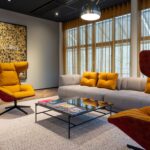
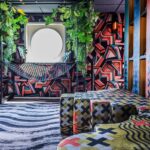
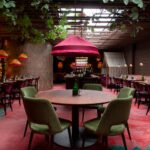

Simple adjustments in your space
Kris shares some practical design tips with a positive impact on mental well-being. She mentions three interior choices that she believes make a big difference: daylight, the use of color, and the use of natural elements.
Daylight
Daylight lowers cortisol and stress levels. Kris: “It is important to ensure good natural lighting and to take light incidence at the desired time into account. Morning light in hotel and bedrooms and afternoon and evening light in living spaces such as offices and living rooms is ideal.” Artificial lighting also plays a role. “Light temperature affects our body: light that is too bright increases blood pressure, and the blue light from a monitor affects the sleep cycle,” Kris says.
Use of color
Colors influence our emotions. “Soft shades of blue and green provide relaxation, while bright colors activate. Use colors tactically, depending on the activity in the room, but also take the influence of light incidence on color perception into account,” Kris advises.
Natural elements
The application of natural elements has a positive effect on us. For example, the use of natural materials such as wood ensures a reduction in heart rate and perspiration. “Round, organic shapes and the integration of greenery also promote our well-being and reduce stress,” says Kris.
A look at current neuroarchitecture trends
Kris is enthusiastic about recent trends that embrace the principles of neuroarchitecture. Which ones are they in her eyes? “Natural elements and materials are being used more and more. In addition, there is growing attention to spatial experience. This awareness is a great added value and inspires me enormously!”
Preview of the neuroarchitecture event
On September 5, TREU is organizing an event about neuroarchitecture. Kris from DesignMinds is, alongside Geoffrey van Oudenaarde from Bloomlighting, one of the speakers. “Many people are not yet familiar with this field, so we want to offer an accessible introduction,” says Kris. This event promises to be an engaging introduction to the basic principles of neuroarchitecture and how they can be applied in various spaces.
Sign up for the event
Are you curious about how you can integrate the foundations of neuroarchitecture into your project? We would love to tell you how! Contact us for more information.